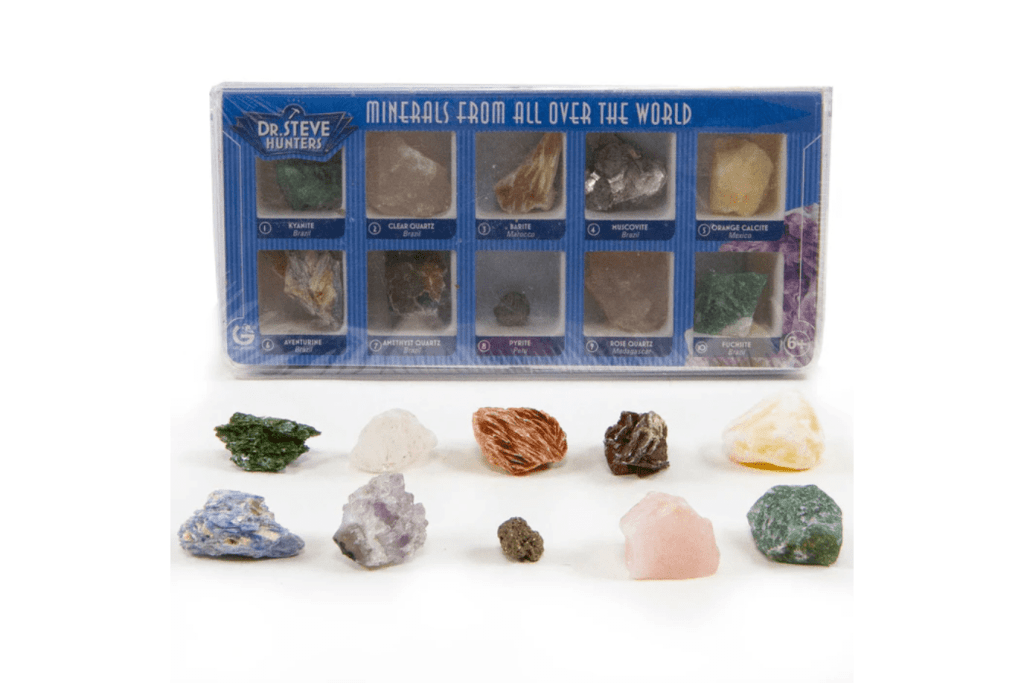
Loose parts play uses simple, everyday objects to support open-ended, creative play. This collection is for parents looking to offer children flexible materials they can explore in their own way. These items encourage imagination, problem-solving, and independent play without instructions.
Many children are just as interested in the box as the toy inside it. This is a simple example of loose parts play. When children are given open-ended materials like wood pieces, fabric, or containers, they begin to explore, combine, and create in ways that are entirely their own. There are no instructions or expected outcomes. This type of play supports curiosity and allows children to follow their ideas, building confidence through self-directed exploration.
- Imagination and creative thinking
- Problem-solving and critical thinking
- Fine motor skills (grasping, stacking, arranging)
- Gross motor skills (lifting, carrying, building)
- Focus and attention
- Social skills through shared, collaborative play
- Independence and self-direction
- A variety of materials (wood, fabric, metal, natural items)
- Different sizes, shapes, and textures
- Open-ended items with no single purpose
- Durable pieces that can be used repeatedly
- Safe, age-appropriate materials for your child
- Items that can be combined and used in multiple ways
- Start small with a simple collection of items (e.g., containers, scarves, wooden pieces)
- Store materials in baskets or trays so children can access them independently
- Rotate items occasionally to maintain interest
- Avoid giving instructions - observe how your child chooses to use the materials
- Join in if invited, but allow your child to lead the play
- Expect repetition - children often return to the same ideas as they build skills
Sign up to get weekly activities, free printables, Montessori parenting guidance, and so much more.
Plus, get $10 off your first order of $100+.