
Young Children Are NOT Meant to Stay Still


How many times have you had to bring your child:
- to an appointment
- out to dinner
- to run an errand and
And everyone comes home SO frustrated?
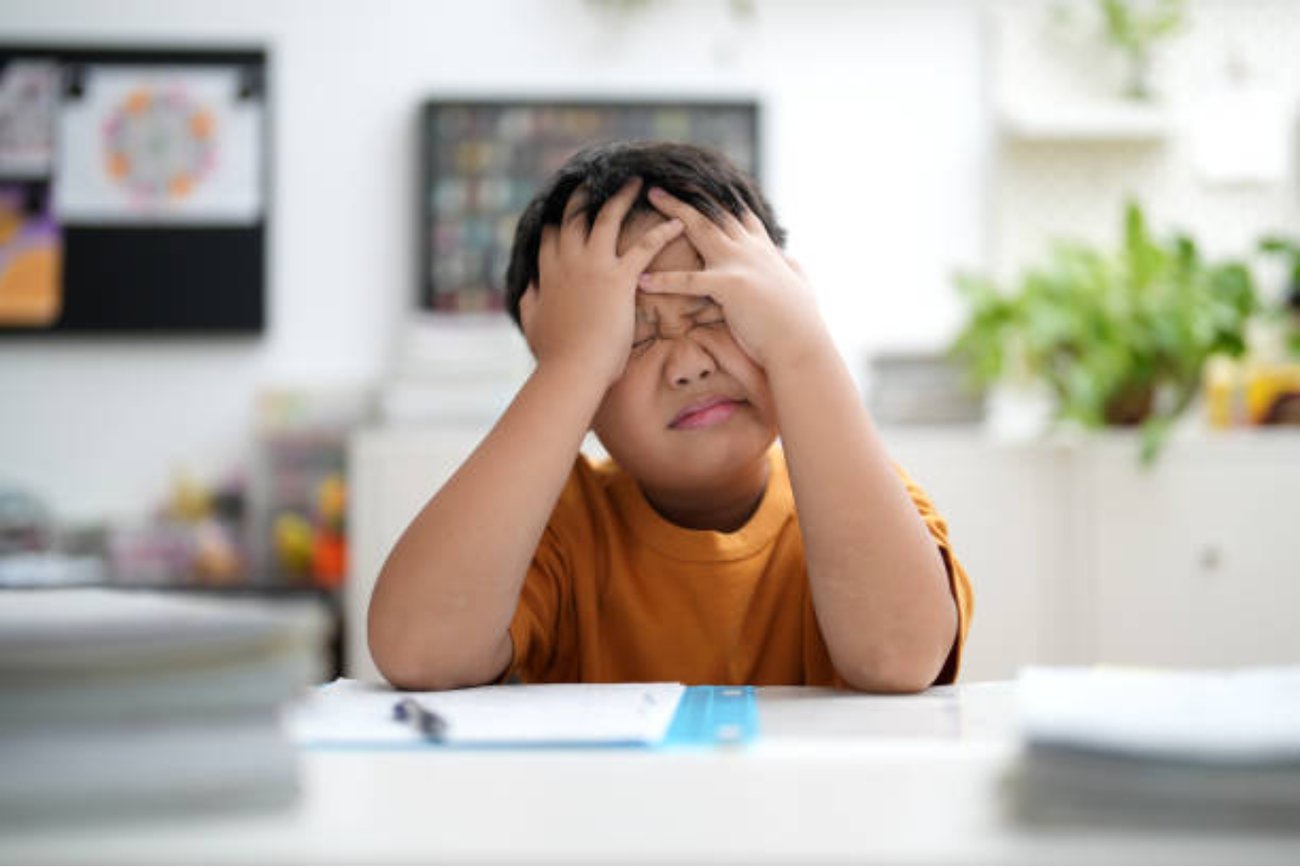
All you need is for your child to sit still for 10-20 minutes and it seems impossible for them.
WHY?
On one hand, young children need to learn social skills and appropriate behaviours for their environment, i.e., how to act at a restaurant. I get that!
On the other hand... "staying still" or "sitting nicely" is simply not something their brains or bodies are developmentally ready for.
It’s helpful to remember that young children are discovering the world around them for the first time and this is very exciting. Their need for movement isn’t just physical; it’s how they explore, follow their interests, and make sense of everything that they’re experiencing.
Dr. Montessori understood this decades ago.
"The child who has to sit still listening to a teacher is in the worst possible state of mind and body for learning. Likewise, the child whose life at home is strictly ordered according to the convenience of grown-ups without knowledge or consideration of the natural movement and active interest of childhood is in the worst possible state of mind and body, either for obedience or good manners." - Dr. Montessori, Maria Montessori Speaks to Parents
You won’t find children in Montessori classrooms sitting passively, listening to the teacher for long stretches of time, because Dr. Montessori’s research showed that movement and learning are deeply connected.
By moving and interacting with their environment, children are able to develop independence, concentration, and a deeper understanding of the world around them.
By moving and interacting with their environment, children are able to develop independence, concentration, and a deeper understanding of the world around them.
Current Research Confirms This...
There has been more research done on this subject in recent years and it continues to confirm that Dr. Montessori was correct.
Research shows that young children learn through movement.
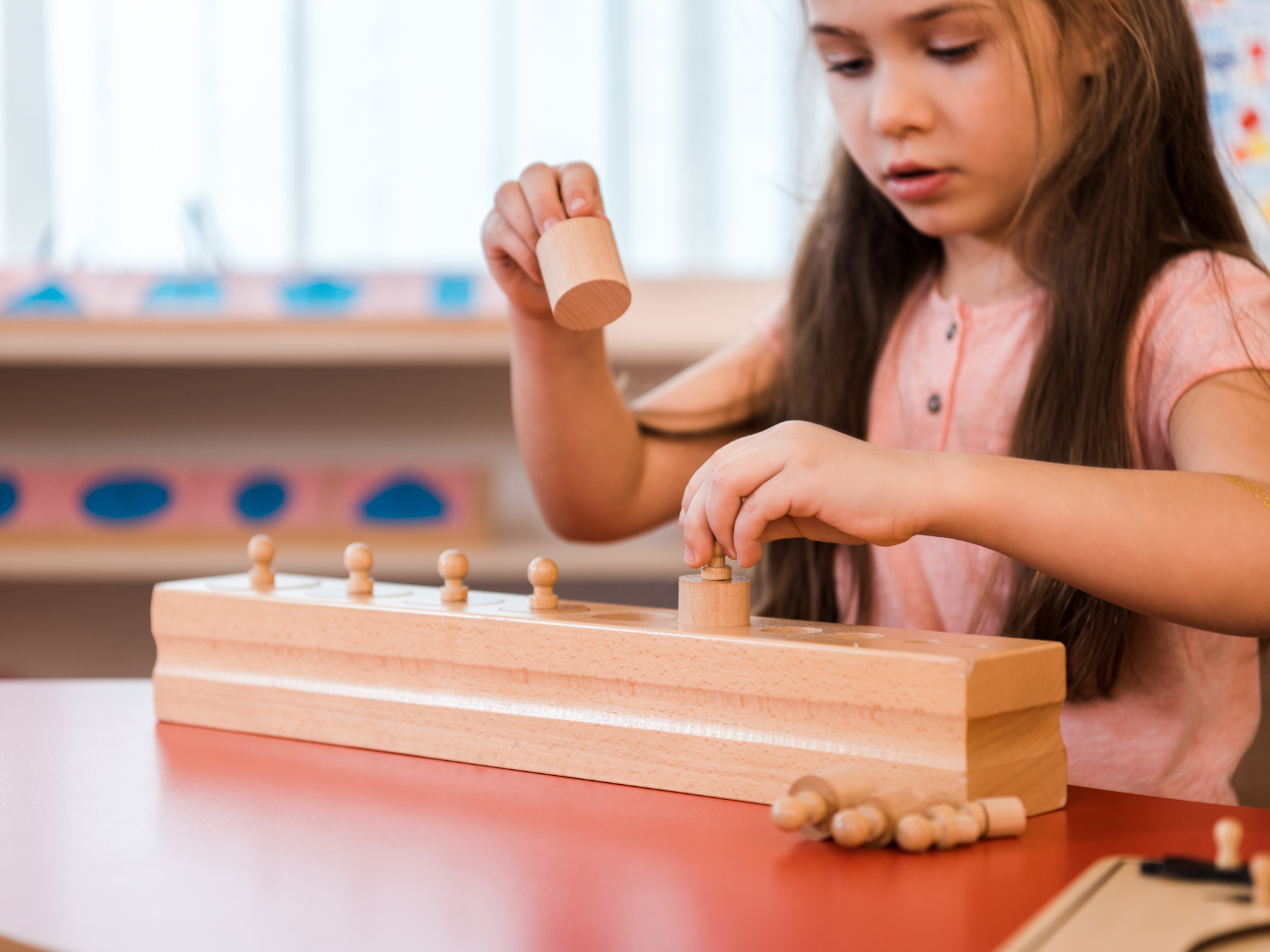
Purposeful movement, like what you see in Montessori classrooms, i.e. children walking to the shelf to choose their work or using fine and gross motor skills to explore their work, supports their developing brain as it learns to focus, remember, and solve problems (Adolph & Franchak, 2024).
So When Can They "Sit Still"?
Sitting still is a skill that is developed over time, and even when they "can", it doesn’t mean they’ll be able to do it consistently or perfectly every time.
Many adults find it difficult to sit still for long stretches. Think about how it feels to deny yourself that movement when you need it. You might feel restless, distracted, grumpy, etc.
You probably find yourself fidgeting with something or moving your legs. These movements go practically unnoticed when adults do them, so why do we give children such a hard time when they do them?
In my experience, we often place higher expectations on children’s behaviour than we do on adults.
At home, you can support your child’s need for movement by simply giving them plenty of opportunities to move throughout the day. Look for toys, games, or activities that involve walking, carrying, pouring, building, or using their hands in precise ways.
If your child is having a hard time sitting still, it’s their body and brain telling you they need to move.
If you’re heading out for a day of appointments, errands or a long car ride, plan a chunk of time before or after where the child can play, run and move freely.
I would suggest a trip to the park or movement activities BEFORE activities that require them to be still. Allowing them this movement supports focus, learning, and independence, while reducing frustration for both of you.










![Kidamento Kidamento Children's Cameras [3 Models]](http://themontessoriroom.com/cdn/shop/products/kidamento-childrens-cameras-3-models-661353.png?v=1699075281&width=1600)
![Kidamento Kidamento Children's Cameras [3 Models]](http://themontessoriroom.com/cdn/shop/products/kidamento-childrens-cameras-3-models-661353_2000x.png?v=1699075281)

