
Why Give Children A Plant of Their Own...
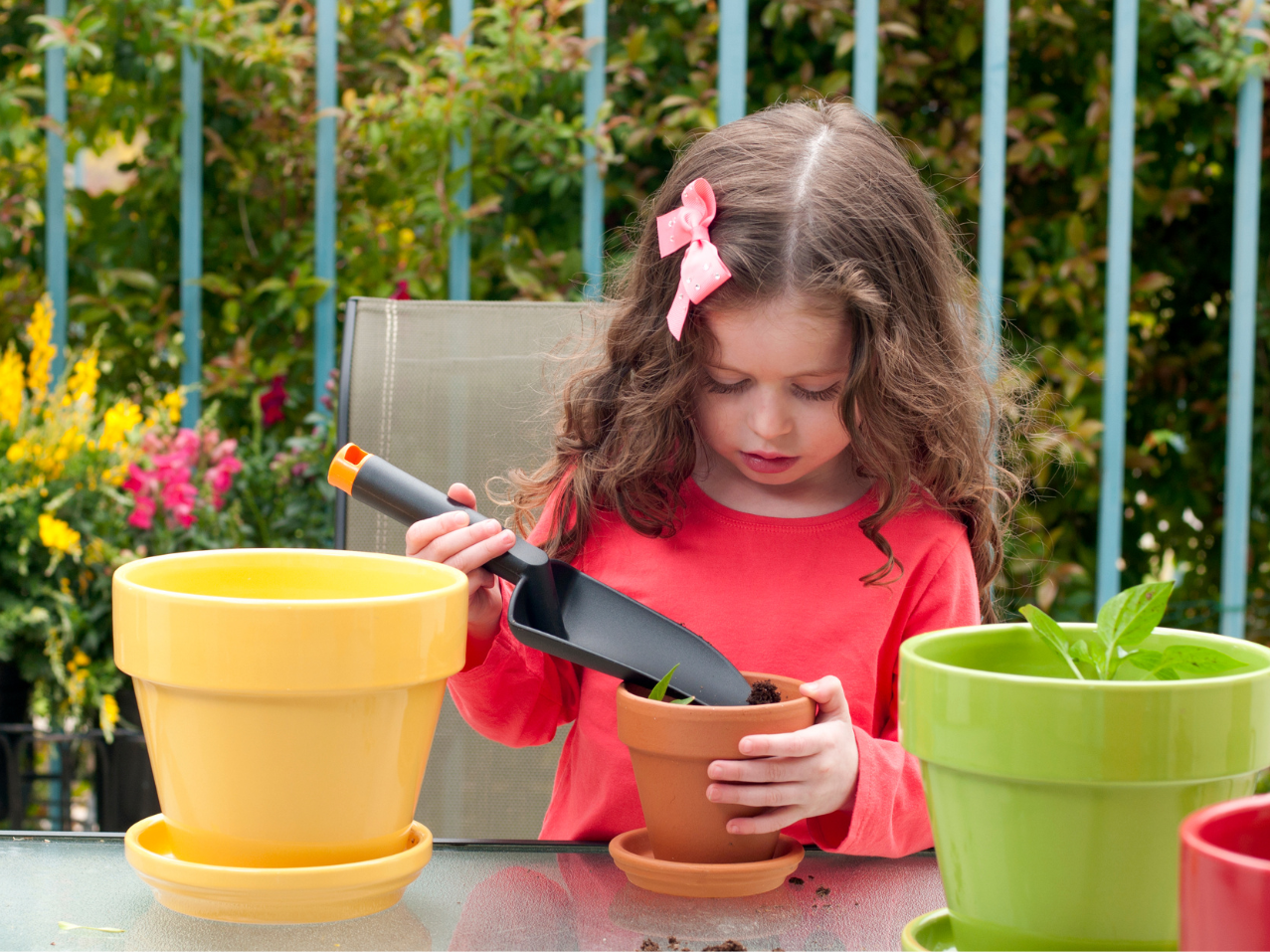

Giving children a plant of their own is a simple way to support and broaden their curiosity about the natural world.
In Montessori classrooms, children begin to learn to care for plants in the toddler years.
4 Benefits of Plant Care for Children
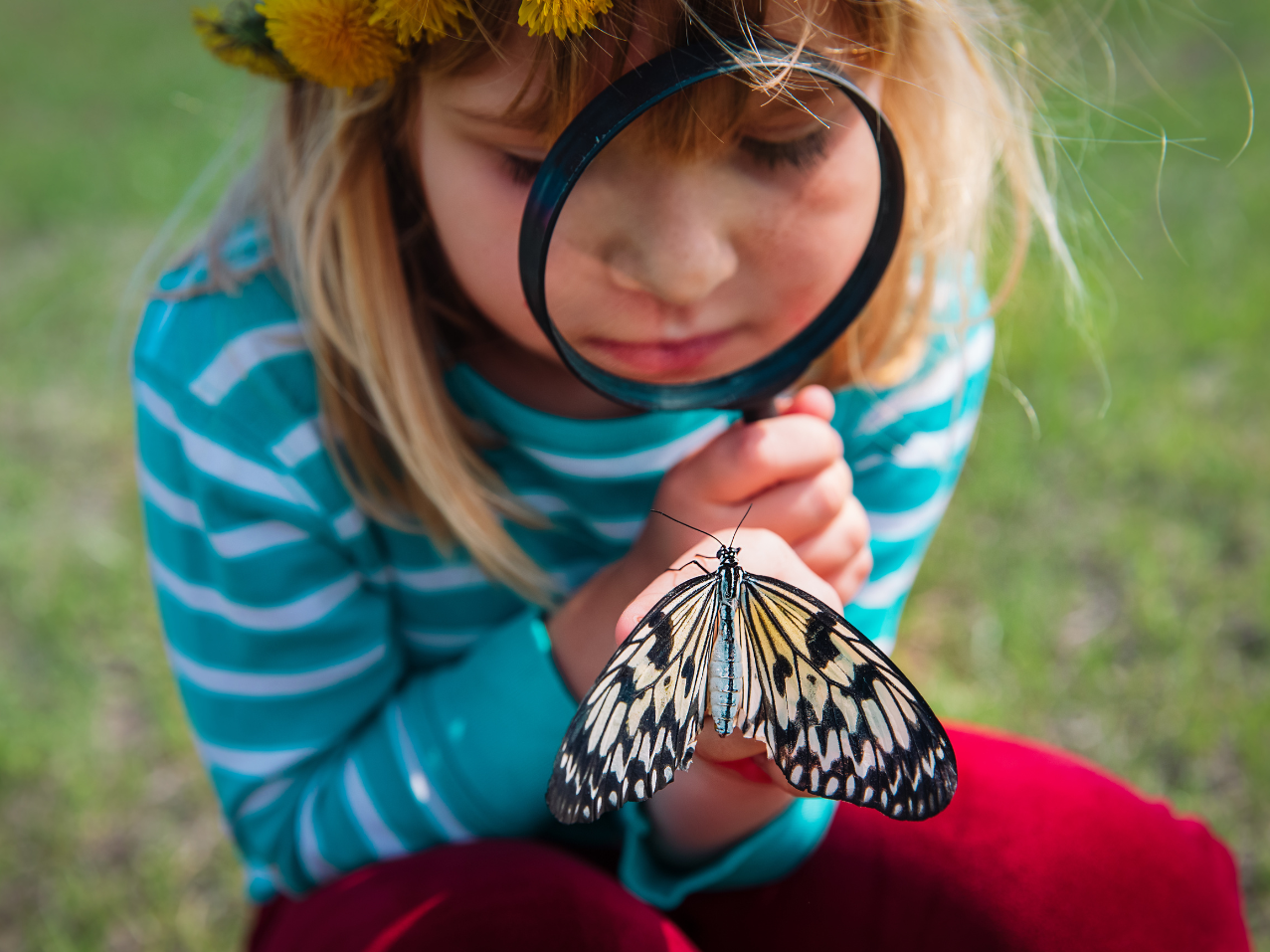
1. Encourages observation - plants change slowly, which makes them wonderful for encouraging careful observation.
They can notice new leaves, changes in size, flowers appearing, or even what happens when a plant doesn’t get enough water or sunlight.
And since young children are in their sensitive period for small objects, they might notice something that an adult would easily overlook, such as a tiny new leaf or a flower beginning to open.
Here are some questions you can ask to encourage observation:
- Does the soil feel dry or damp?
- Do you see any new leaves?
- What do you think will happen next?
2. Introduces children to lifecycles and interdependence - The dependence of two or more living things on each other. Children begin to see that plants need water, sunlight, soil, and care to grow, while plants also provide important things for people and animals, such as food and oxygen.
3. Encourages responsibility - having their own plant to care for gives children a meaningful responsibility. Depending on their age, children can help water, check the soil, wipe the leaves, or make sure it is getting enough sunlight.
4. Builds connection to nature - for young children, caring for a plant can be an easy and accessible way to develop a connection with nature. They learn that plants are living things with needs of their own and begin to notice the many ways plants are part of our everyday lives.
Teaching Children How to Care for Their Plant - 5 Steps
Once your child has their own plant, you can teach them how to care for it. Our Plant Care printable provides a simple visual guide that children can follow independently.
Click here to download it.

The five steps are:
Step 1. Check the soil to see if it feels dry.
Step 2. If it feels dry, fill your watering can. Note that a small watering can is helpful to prevent overwatering.
Step 3. Water the plant, ensuring the child holds the handle with one hand and supports the spout with the other.
Step 4. Fill a small dish with water.
Step 5. Use the dish with water and a sponge or cloth to clean the leaves. Cleaning the dust off of leaves is important because it helps plants absorb more light and increase photosynthesis.
Notes:
- Younger children can start with the first three steps, while older children can work through all five.
- For an even more meaningful activity, make your own set of cards with your child using photos of them caring for their own plant. Seeing themselves in the steps can make the activity more engaging and help them remember the sequence.
We’ve also put together a list of child-friendly plants - Click here to view the list. They were selected based on their suitability for children, including their ease of care and safety.











![Kidamento Kidamento Children's Cameras [3 Models]](http://themontessoriroom.com/cdn/shop/products/kidamento-childrens-cameras-3-models-661353.png?v=1699075281&width=1600)
![Kidamento Kidamento Children's Cameras [3 Models]](http://themontessoriroom.com/cdn/shop/products/kidamento-childrens-cameras-3-models-661353_2000x.png?v=1699075281)

