
Our 10 Favourite Books about Starting School
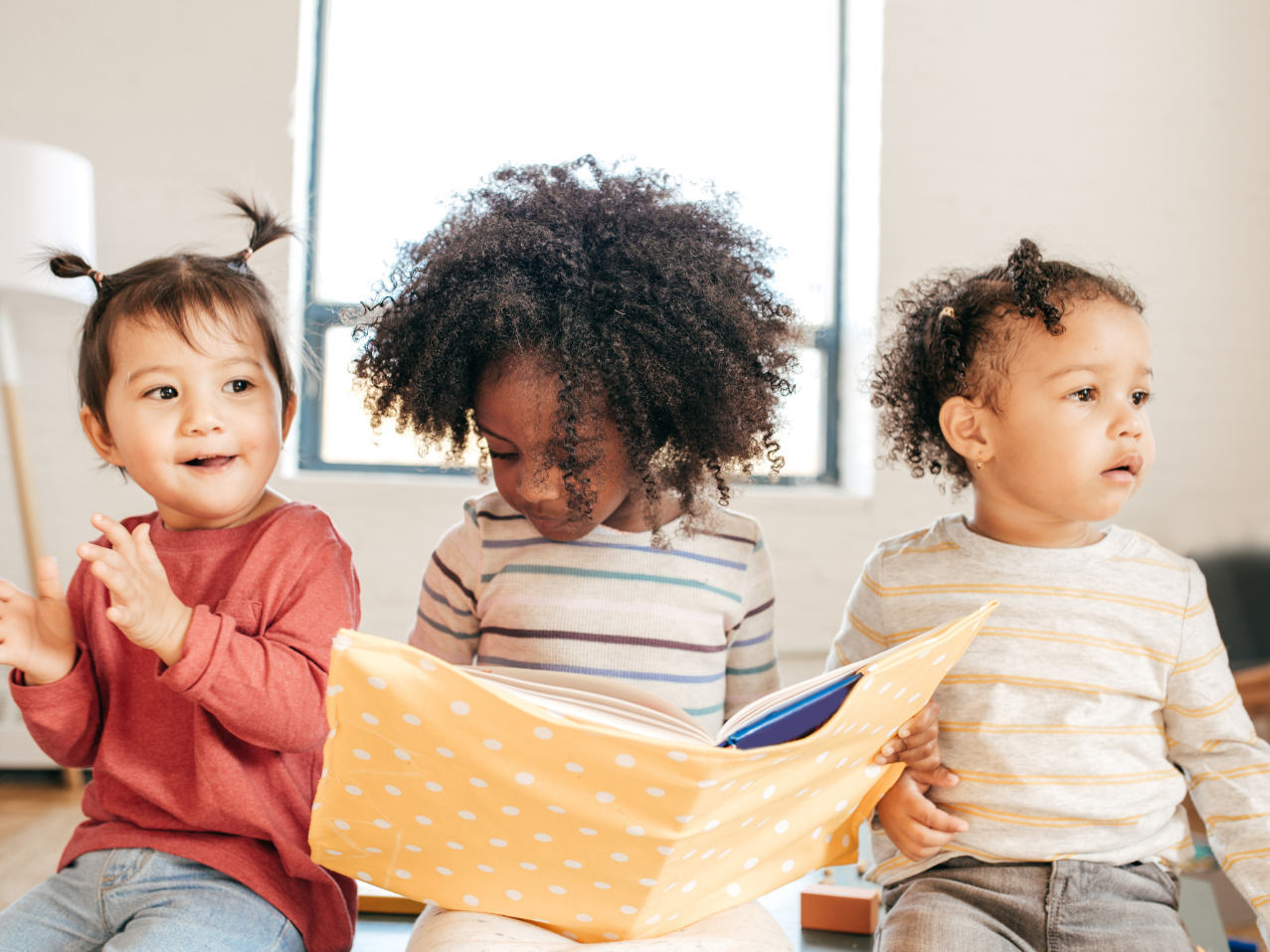

Books are a great way to help children prepare for new experiences. As we prepare for the start of school in Toronto, here are some of our favourite books about starting school.
But First... A Note About Over-Preparation
Starting school can be exciting for some children and nerve-wracking for others.
Follow your child’s lead when it comes to how much you talk about the transition.
If your child is showing signs of nervousness or has questions about starting school, books can be a wonderful way to explore those feelings and help make the experience feel more familiar.
At the same time, too much preparation can sometimes feel overwhelming.
We can sometimes fall into the trap of thinking that because something is new, we need to prepare children for it as much as possible. But young children live very much in the present moment.
If your child is happily enjoying their summer and not showing any concern about starting school, you don't necessarily need to bring it up every day.
Books About Starting Daycare or Preschool for Toddlers

Rosie Goes to Preschool by Karen Katz - offers gentle, reassuring introduction to what a preschool day can look like. Rosie introduces young children to the people, routines, and activities they will encounter at school, helping make the unfamiliar feel more comfortable and manageable. Simple language, told from a child’s P.O.V. makes this a great book for children starting preschool.
Bye-Bye Time by Elizabeth Verdick - does a really good job of describing, in simple terms, what their day might look like at school or child care, from saying goodbye to their parents in the morning, to playing and spending time with their teachers and friends, and eventually seeing their parents again at the end of the day.
I also love that this book doesn't pretend that saying goodbye is always easy. It acknowledges that children can feel sad when their parents leave, while showing them that those feelings are okay and that the day continues.
One thing to note is that young children need time to trust in the process of being dropped off at school and then picked up at the end of the day.
It can sound a little scary to think your child doesn’t know or trust that you’ll come back, but if they’ve never spent this much time away from you before, they don’t yet have the experience to understand what happens when they separate from you.
Feeling separation anxiety is normal and expected when a child is first starting school or child care. The good news is that with practice, they’ll start to feel more comfortable and develop trust in the process.

I’m A Preschool Kid! Book by Deb Adamson - A simple introduction to what it means to be a preschooler.
The book follows a child through their first day of preschool, highlighting the different feelings and experiences they may have along the way, from making friends to taking part in classroom activities. The illustrations are great too.

Preschool, Here I Come! by D. J. Steinberg or Kindergarten, Here I Come! by D. J. Steinberg - a collection of playful poems about the everyday experiences and emotions that come with starting preschool or kindergarten. The poems are lighthearted and easy to read, and I like that the format makes it easy to pick and choose the topics that are most relevant to your child. A great choice for children who are excited about the idea of starting school.
Books About Starting Kindergarten/School

First Day, Hooray! by June Sobel - follows a group of children as they get ready for and experience their first day of school. The rhyming story takes children through familiar first-day experiences, including arriving at school, meeting their teacher, exploring the classroom, and more. The upbeat tone captures the excitement of starting something new and can help children picture what their own first day might be like.

See You Later, Alligator by Lana Button - a great choice for ages 4-7, who may be feeling nervous about starting a new school year. Sarah Jane really doesn't want to go to school, and the story shows children that it’s completely normal to feel worried when facing something unfamiliar.
The surprise at the end, when we discover that Sarah Jane is actually the teacher, adds some humour while reminding children that even grown-ups can feel nervous about new experiences.

You Later, Alligator by Lana Button - a fun book for children who are having a hard time with saying goodbye at school. Flora finds saying goodbye to her mom difficult, but they have a special goodbye ritual using silly rhyming nicknames that helps Flora feel more confident about heading into school. I love the idea of creating a goodbye ritual with your child, because having something predictable and familiar can make saying goodbye a little easier.
Books to Support the Transition to School

My Turn, Your Turn by Kaela Teitge & Taryn Mason - helps children learn about sharing and taking turns, two important social-emotional skills for spending time with other children.
Through encouraging messages, practical ideas, and real-life photos, the book gives families simple ways to practise these skills together. For Ages 1 to 5 years.

Yes! No!: A First Conversation About Consent by Megan Madison & Jessica Ralli - introduces young children to the idea that they get to decide what happens to their own bodies, and that others do too.
It uses simple, age-appropriate language to explore consent, bodily autonomy and how to communicate their own boundaries. For Ages 2 to 5 years.

I Did It Myself!: I Can Get Dressed, Brush My Teeth, Put on My Shoes, and More: Montessori Life Skills - a practical guide to the everyday self-care skills children are learning to manage independently. Includes step-by-step photos showing children how to get dressed, wash their hands, brush their teeth, brush their hair, blow their nose and more.
These skills are especially helpful to learn as children begin spending more time away from home. For Ages 2 to 5 years.











![Kidamento Kidamento Children's Cameras [3 Models]](http://themontessoriroom.com/cdn/shop/products/kidamento-childrens-cameras-3-models-661353.png?v=1699075281&width=1600)
![Kidamento Kidamento Children's Cameras [3 Models]](http://themontessoriroom.com/cdn/shop/products/kidamento-childrens-cameras-3-models-661353_2000x.png?v=1699075281)

