
Two Easy Ways to Encourage Independent Play


Independent play is so wonderful.
Watching your child entertain themselves - without screens - all while you can get some things done around the house or just take a break. What a dream!
But it's easier for some children. It often depends on age, temperament, and a child's developmental stage.
However, there are some things you can do to encourage independent play.
This approach will also set your child up to do play independently for longer stretches, as they get older.
Watching your child entertain themselves - without screens - all while you can get some things done around the house or just take a break. What a dream!
But it's easier for some children. It often depends on age, temperament, and a child's developmental stage.
However, there are some things you can do to encourage independent play.
This approach will also set your child up to do play independently for longer stretches, as they get older.
There are 2 important factors:
- The environment
- The toys
STEP 1. THE ENVIRONMENT
Children needs to be able to access their toys on their own.
Ideally their play space is set up so that there is very little need for adult intervention:
-
Ensure their toys are accessible
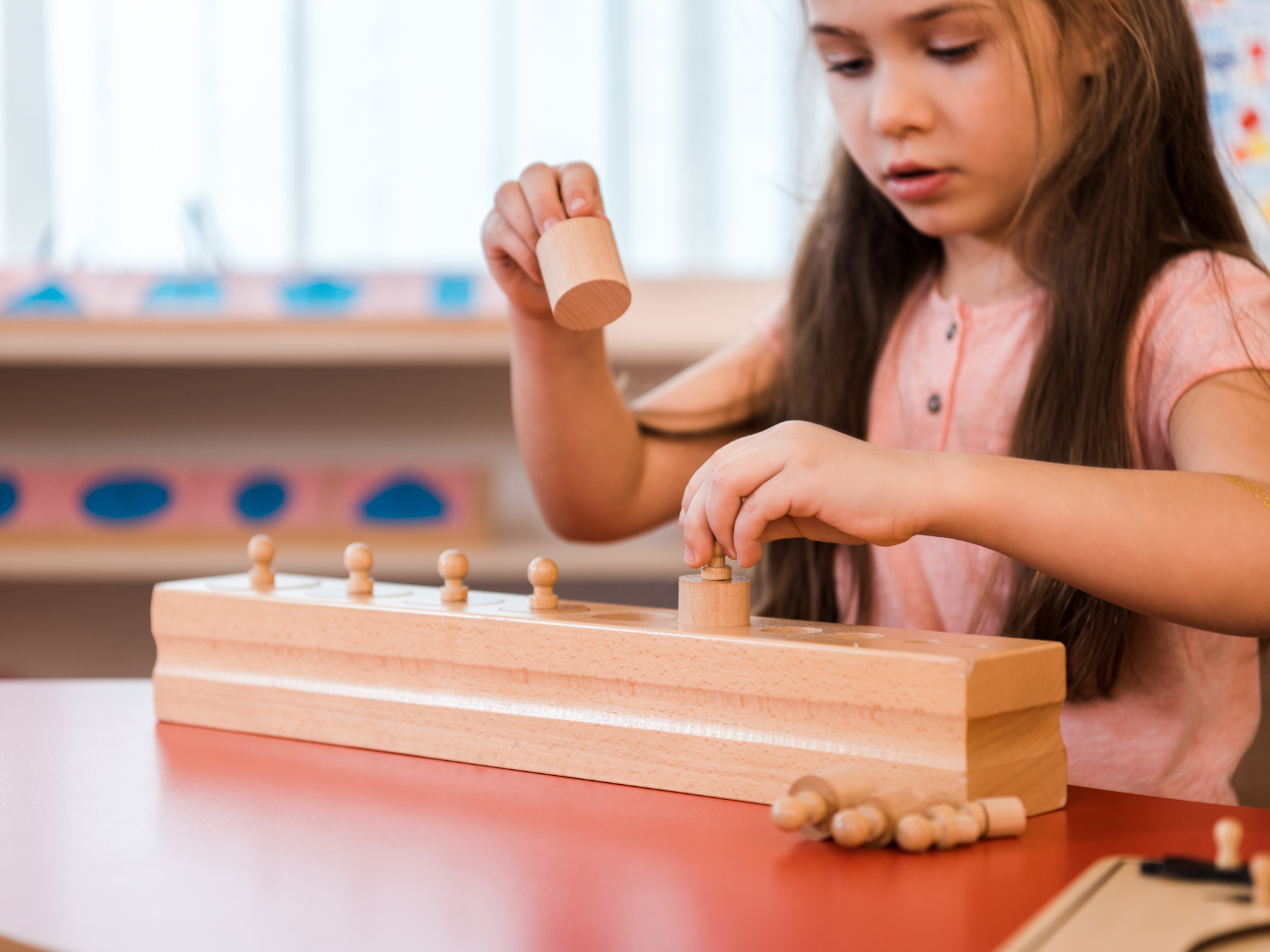
One of the reasons why children are able to work so consistently on their own in Montessori classrooms is because of the access.
All activities are set up in individual baskets on low shelves so children can easily reach them on their own.
Just like in the photo here.

-
Ensure toys are organized and ready to use
Meaning, there are no missing parts, nothing is broken, there is paper and crayons available in the art section, etc.
The environment is reset at the end of every day to ensure the children can come to school in the morning and get started on their work.
You can do the same at home by simply resetting their play space at the end of each day and checking their toys once in a while to ensure nothing is broken or missing.
Here are some suggestions for toys that can be great for independent play:
- Puzzles
- Building toys and blocks
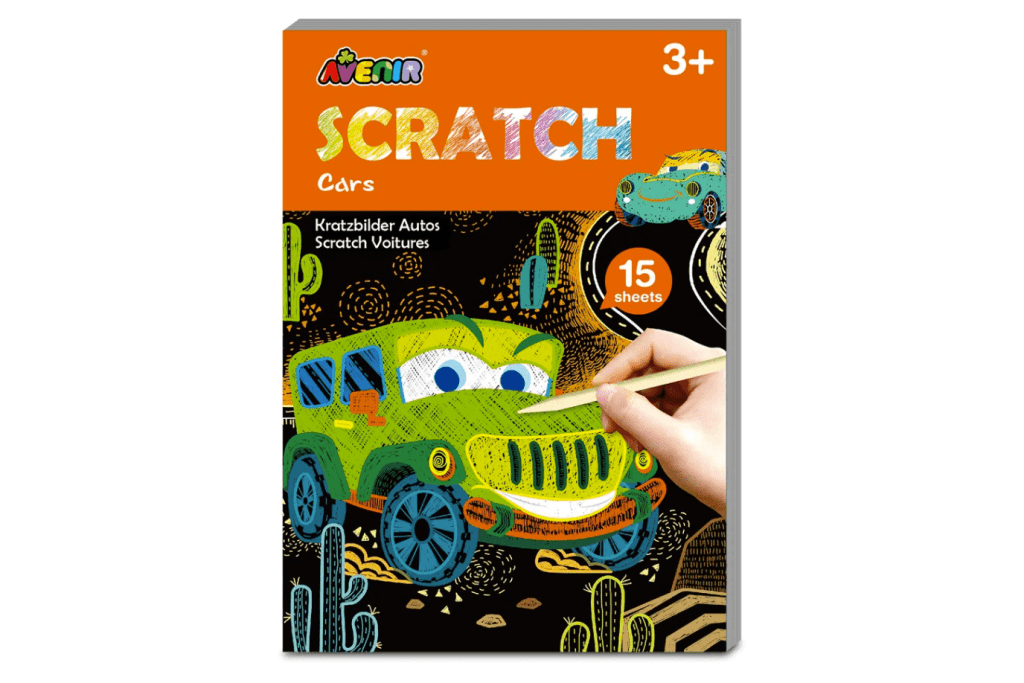
- Drawing materials
- Play dough
- Magnetic tiles
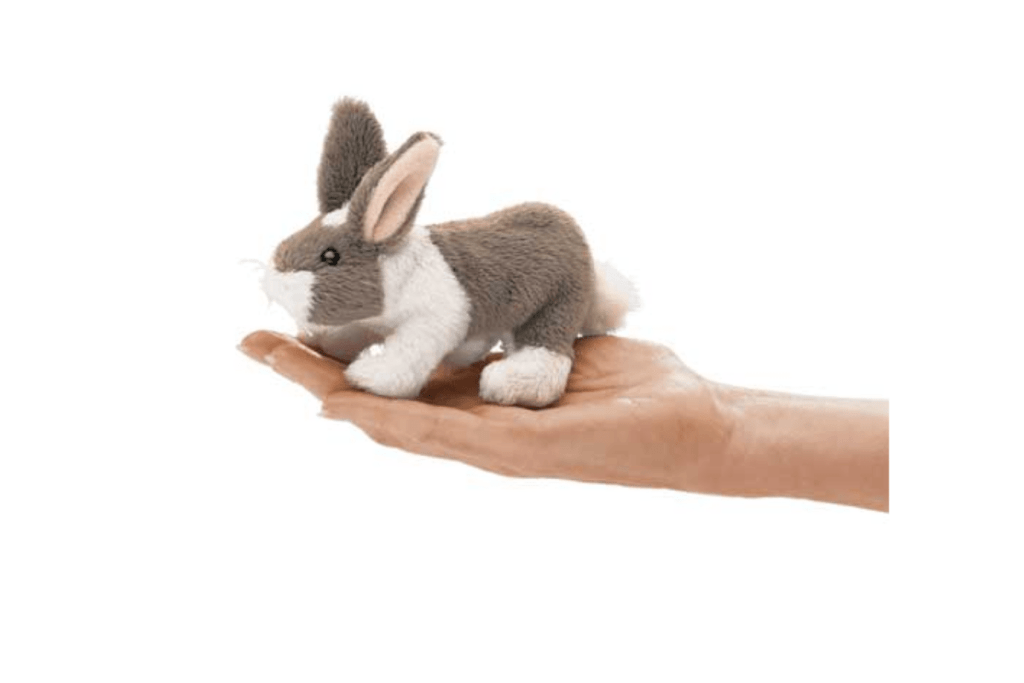
- Animal figurines and pretend play materials
- Books
STEP 2. THE TOYS
Try to offer a selection of toys and activities your child can realistically use on their own. Avoid toys where they tend to ask for a lot of assistance or are too advanced for their age/skills.
NOTE: I’m not suggesting that you avoid playing with your child, I encourage you to do this as much as possible, but it’s also okay and important for them to learn to play on their own once in a while.
Independent play helps to develop concentration, confidence, creativity, problem-solving skills and so much more.
Another reason children are often able to work independently in Montessori classrooms is because many of the materials include what is called a "control of error."
This means the activity itself helps the child recognize mistakes without needing an adult to point them out.
For example, a puzzle piece may only fit in one spot or a shape sorter will only work when the correct shape is chosen.
These types of activities allow children to problem-solve, repeat and correct themselves independently.
Instead of constantly asking an adult for help or approval, they begin learning to trust that they can figure it out on their own.
The Disclaimer
I can’t promise that these 2 factors will suddenly result in a child playing independently for long stretches.
Independent play is a skill, and like any new skill, it takes time and practice to develop.
For children who are not used to playing on their own, even 5 to 10 minutes can be a great starting point.
BONUS: Try A Timer
Setting a clear beginning and end can make the expectation feel more manageable and predictable for young children. A visual timer, like one of these, are great for this.
BONUS: Build Connection
It also helps to make sure your child’s "cup is full" before expecting them to play independently.
Children are often much more willing to separate and play on their own when they feel connected and emotionally fulfilled first. Spending some uninterrupted time together before transitioning into independent play can make a big difference.










![Kidamento Kidamento Children's Cameras [3 Models]](http://themontessoriroom.com/cdn/shop/products/kidamento-childrens-cameras-3-models-661353.png?v=1699075281&width=1600)
![Kidamento Kidamento Children's Cameras [3 Models]](http://themontessoriroom.com/cdn/shop/products/kidamento-childrens-cameras-3-models-661353_2000x.png?v=1699075281)

