
Why teach your child how to polish their shoes...


Children live in the moment and are mostly egocentric, concerned with themselves and their own needs.
While this is developmentally normal, we also need to encourage and teach them to understand that they are capable members of their community.
Practical Life activities, like polishing, give children real opportunities to participate in caring for the spaces and materials around them.
What Are Polishing Activities?
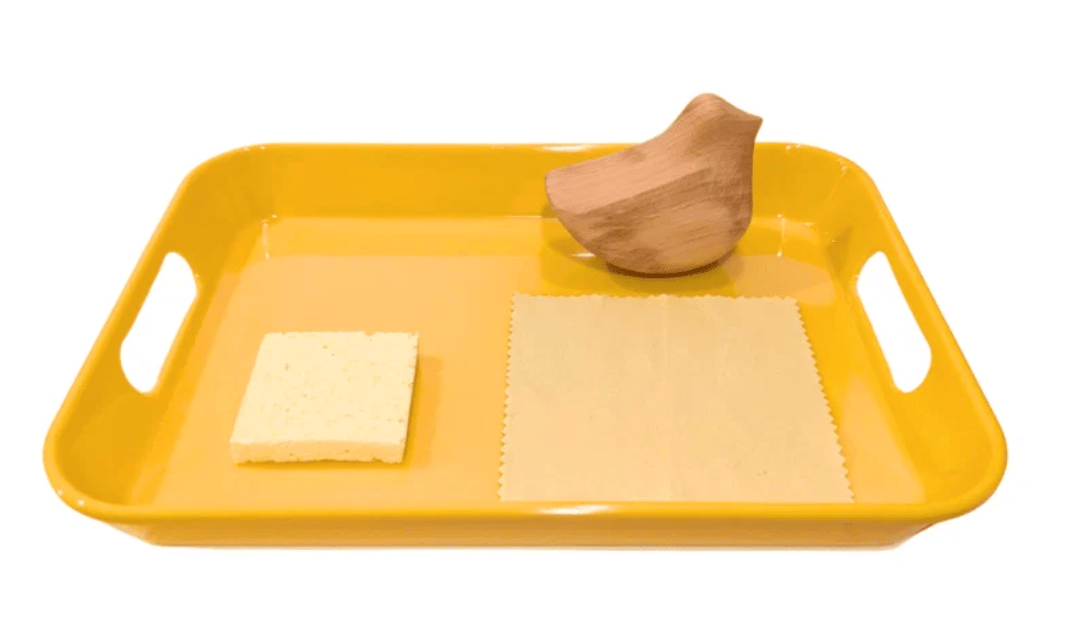
In the Montessori environment, children are often introduced to wood polishing around 2 years of age, or when they begin showing an interest in caring for their surroundings.
As children get older, especially in the Casa classroom (ages 3–6), polishing activities become more complex and may include polishing wood, glass, brass/metal and even shoes.
Why Teach Polishing?
Develops concentration and focus - polishing develops concentration because of the repetitive steps involved. Children must follow a specific sequence and notice changes to the object as it becomes polished.
Refines the hands - you know how much we love strengthening the hands in Montessori and polishing is perfect for this. Polishing requires refined hand movements and coordination. At Boardwalk, the Casa children used Q-tips to apply the polish to the figurines, strengthening their pincer grasps as they polished.
Supporting sensorial development - polishing provides children with opportunities to explore materials through their senses. Children can feel the texture of the surface as they polish, notice the difference between a dull and shiny finish and observe how their actions change the object. Working with different materials also helps children become more aware of the unique properties of the objects in their environment.
Builds independence and confidence - polishing gives children the opportunity to learn a practical skill they can use in everyday life. As children become capable of caring for their own belongings and completing meaningful tasks, they develop confidence in their abilities.
Setting Up A Polishing Basket At Home
If you think your child may enjoy polishing activities, the setup is pretty simple.
- Use a basket or tray to hold the materials.
-
Add a piece of felt or fabric (size of a placemat) that can be used as a work mat.
- For wood, include a small dropper bottle with oil (olive oil or mineral oil), a small bowl, cotton balls and a soft cloth.
- For glass, provide a small spray bottle with water and a lint-free cloth. Choose a thick, sturdy piece of glass, such as a small mirror or glass tray, that can safely withstand handling by children.
- For metal or brass, include a soft cloth and a child-safe polishing material.
- For leather shoes, provide a shoe brush and a cloth for buffing.
- Demonstrate how to apply the polish and wipe/buff the object clean. To pique your child’s interest, point out an area that hasn’t been polished and compare it to an area that has been polished and notice the difference.










![Kidamento Kidamento Children's Cameras [3 Models]](http://themontessoriroom.com/cdn/shop/products/kidamento-childrens-cameras-3-models-661353.png?v=1699075281&width=1600)
![Kidamento Kidamento Children's Cameras [3 Models]](http://themontessoriroom.com/cdn/shop/products/kidamento-childrens-cameras-3-models-661353_2000x.png?v=1699075281)

