
Preparing for School Activity Bundle
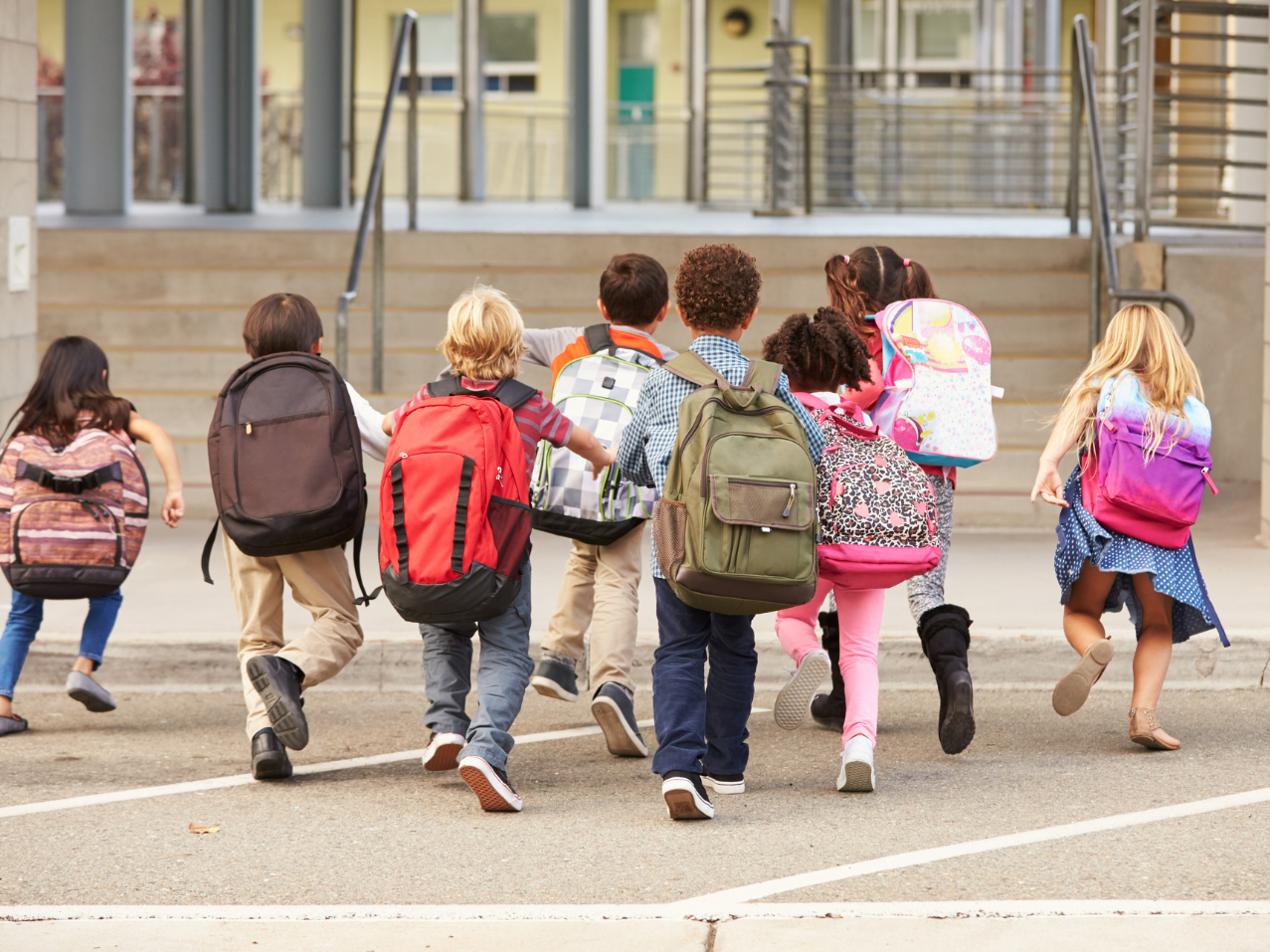

Prepare your child for school with these five easy and practical activities.
Activity 1: Opening and Closing Containers: Developing Independence

This activity is a favourite from our Montessori At-Home Program and was a regular work on the shelf in the Toddler classroom. It’s a simple way to help children practise the everyday skill of opening and closing containers, which helps strengthen fine motor skills, concentration and independence.
Age: This activity can be introduced when your child begins to show an interest in opening and closing containers independently, often around the toddler years.
Materials:
-
An assortment of small bags and containers, such as a coin purse, pencil case, glasses case, ring box, small Tupperware container, basket with a lid, container with a screw top, small pouch, tin container or small gift box. You can also find a pre-assembled one here.
-
Objects that fit inside each container, such as toy animals, cars, blocks or other objects your child finds interesting
A note on safety: Choose objects that are appropriate for your child’s age and stage of development. For younger children, avoid anything that could pose a choking risk. As a general guideline, objects should measure at least 1¼" (3 cm) in diameter and 2¼" (6 cm) in length.
How to set it up:
- Collect a few different bags and containers from around your home. Place an object inside each one to pique your child’s curiosity and encourage exploration. The items can be anything that interests your child and fits inside the container.
- To connect this activity to school preparation, include everyday items your child will use independently, such as a backpack, lunchbox and water bottle.
Activity:
- Show your child how to slowly open each container and allow them to explore opening, closing and repeating the process as many times as they like.
- Start with 3–5 containers and add more as your child becomes comfortable.
- Once your child has mastered a set of containers, introduce new ones with different opening mechanisms. You can also rotate the objects hidden inside to keep the activity engaging and provide new opportunities for exploration.
Activity 2: Routine Cards
 As we prepare to go back to school, routines become an important part of helping children feel confident and prepared. While changes to routines can sometimes feel challenging, knowing what to expect helps children feel secure and gives them the confidence to participate more independently.
Routine Cards are a simple visual tool that can help children understand the steps in their day. By seeing what comes next, children can begin to anticipate transitions, follow familiar routines and take more ownership over everyday tasks.
These cards can be used to create a morning routine, bedtime routine, getting ready for school routine, or any other part of the day your child is working toward independence in.
Click here to download our FREE Routine Cards.
How to use them:
-
Choose a routine that your child is learning or preparing for.
-
Talk about the routine with your child, inviting them to make decisions when possible - “After breakfast, do you want to wash your face first or brush your teeth?”
-
Place the cards in order where your child can easily see them.
-
Refer to the cards together as you move through the routine.
-
Encourage your child to check what comes next and participate in each step.
Bonus Printable: Weekly Calendar

A weekly calendar can help children visually understand the rhythm of their week. As they prepare to go back to school, seeing which days they go to school and which days they stay home can make the transition feel more predictable and familiar.
This printable includes school and home symbols, along with blank symbols that you can customize with your own activities or appointments.. Use them to create a visual calendar that reflects your child’s own weekly routine.
Click here to download our FREE Weekly Calendar.
Activity 3: 3-Part Language Cards: Things You’ll See at School
These language cards are a great way to introduce your child to the objects and materials they may see when they start school. Talking about familiar items ahead of time can help children feel more comfortable and confident as they prepare for this new experience.
How to use the cards:
-
Introduce a few cards at a time, naming each object and inviting your child to repeat the word if they would like.
-
Match the picture cards with the labelled cards to build vocabulary and visual discrimination skills.
-
Use the cards to talk about your child’s upcoming school experience and connect the pictures to real objects they see in their environment.
If you’re interested, here is a more detailed explanation on how to use 3-Part Language Cards: How to Present 3-Part Language Cards.
Set 1: Preparing for School includes common objects children may see in many school settings. Includes 16 cards. Click here to download the language cards.

Set 2: Objects and materials that children may see in a Montessori classroom. Click here to download the language cards.

Activity 4 - Backpack Checklist

Learning to remember everything that belongs in a backpack is a new skill for many children. A visual checklist can help support independence and make the school routine feel more manageable.
Learn how to create and use a backpack checklist with our free printable: The Backpack Checklist - To Help Your Child Remember to Bring Their Stuff Home
Activity 5 - My Name Cards

Recognizing their own name is an important early literacy skill and can help children feel more confident and independent as they begin school. Being able to identify their name helps children recognize their belongings and find their cubby or classroom materials.
Start by helping your child become familiar with what their name looks like as a whole. The name card can be used on its own for as long as needed before introducing the individual letter cards.
Tip: At this stage, look for natural opportunities to include your child’s name throughout their day. Write their name on artwork (if they are interested), in the sand with a stick, use bath crayons to write it on the tub wall or point it out on their belongings. The goal is to help your child become familiar with their name in meaningful, everyday moments rather than turning it into a formal lesson.
When your child begins showing an interest in the letters in their name, the letter cards can be introduced to help them match and build their name.
Tip: To pique your child’s interest, you can also create name cards for family members or other important people in their life. Children are often naturally curious about the names of the people around them, which can make this activity feel more meaningful and engaging.
Prefer to DIY? You can easily make your own name cards at home by writing your child’s name on one card and each individual letter on separate cards to cut out.
Click here to download the instructions and activity templates.









![Kidamento Kidamento Children's Cameras [3 Models]](http://themontessoriroom.com/cdn/shop/products/kidamento-childrens-cameras-3-models-661353.png?v=1699075281&width=1600)
![Kidamento Kidamento Children's Cameras [3 Models]](http://themontessoriroom.com/cdn/shop/products/kidamento-childrens-cameras-3-models-661353_2000x.png?v=1699075281)

