
Broaden Your Child's Horizon With Our Culture and Community Bundle
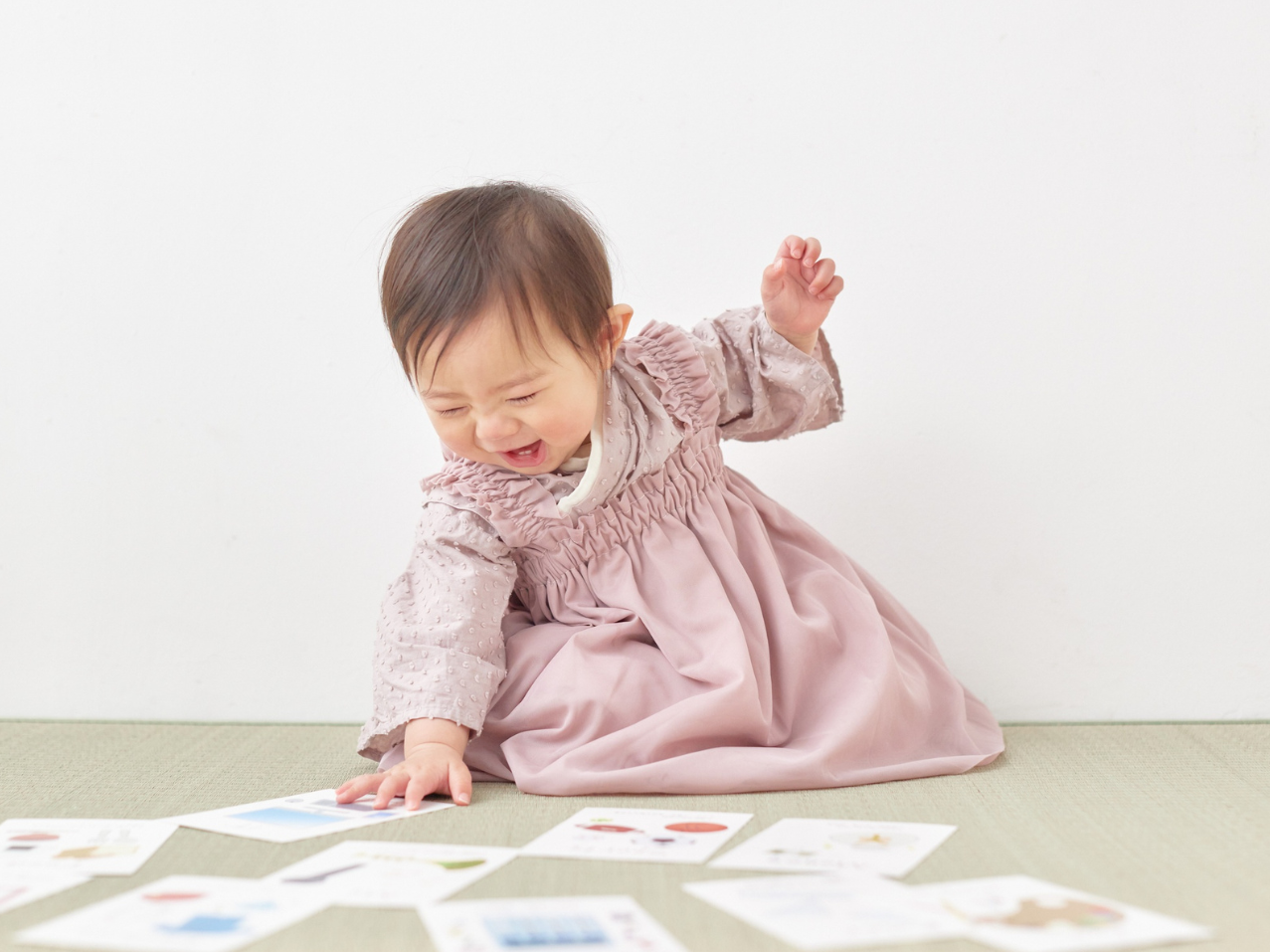

Learning about people, places, and cultures help children develop a broader understanding of the world they live in.
Children begin learning about their community from a young age.
They notice:
- the people around them
- the work they do
- the places they visit
- the symbols they see
These experiences create meaningful opportunities to introduce new vocabulary and encourage curiosity about the wider world.
How To Help Your Broaden Your Child's Horizon
Language cards are a fantastic way to help children move from the concrete to the abstract by connecting a real person, place, or object with its picture and name.
For example, a child may recognize a flag they have seen before but may not know the name of the country it represents.
A picture of the flag helps them connect the image with new vocabulary and information about the world.
Real photos are especially because they show children accurate representations of people, places, and objects from around the world.
Learning about cultures and communities are also wonderful ways to introduce similarities and differences. Children begin to notice that people around the world may have different jobs, instruments, flags, landmarks, and traditions while also sharing many things in common.
Culture & Community Bundle
We’ve created a culture and community-themed bundle of language cards to explore with your child:

Here are instructions on how to use the cards: How to Present 3-Part Language Cards
Note: These cards include a small selection of culture and community topics, but there are many possibilities for additional language cards. If there are specific topics you would like us to create in the future, we’d love to hear your suggestions!
You can also find our entire collection of 3-Part Nomenclature Cards in this folder here.










![Kidamento Kidamento Children's Cameras [3 Models]](http://themontessoriroom.com/cdn/shop/products/kidamento-childrens-cameras-3-models-661353.png?v=1699075281&width=1600)
![Kidamento Kidamento Children's Cameras [3 Models]](http://themontessoriroom.com/cdn/shop/products/kidamento-childrens-cameras-3-models-661353_2000x.png?v=1699075281)

