
When To Use A Reward Chart (and when you definitely SHOULD NOT use one)
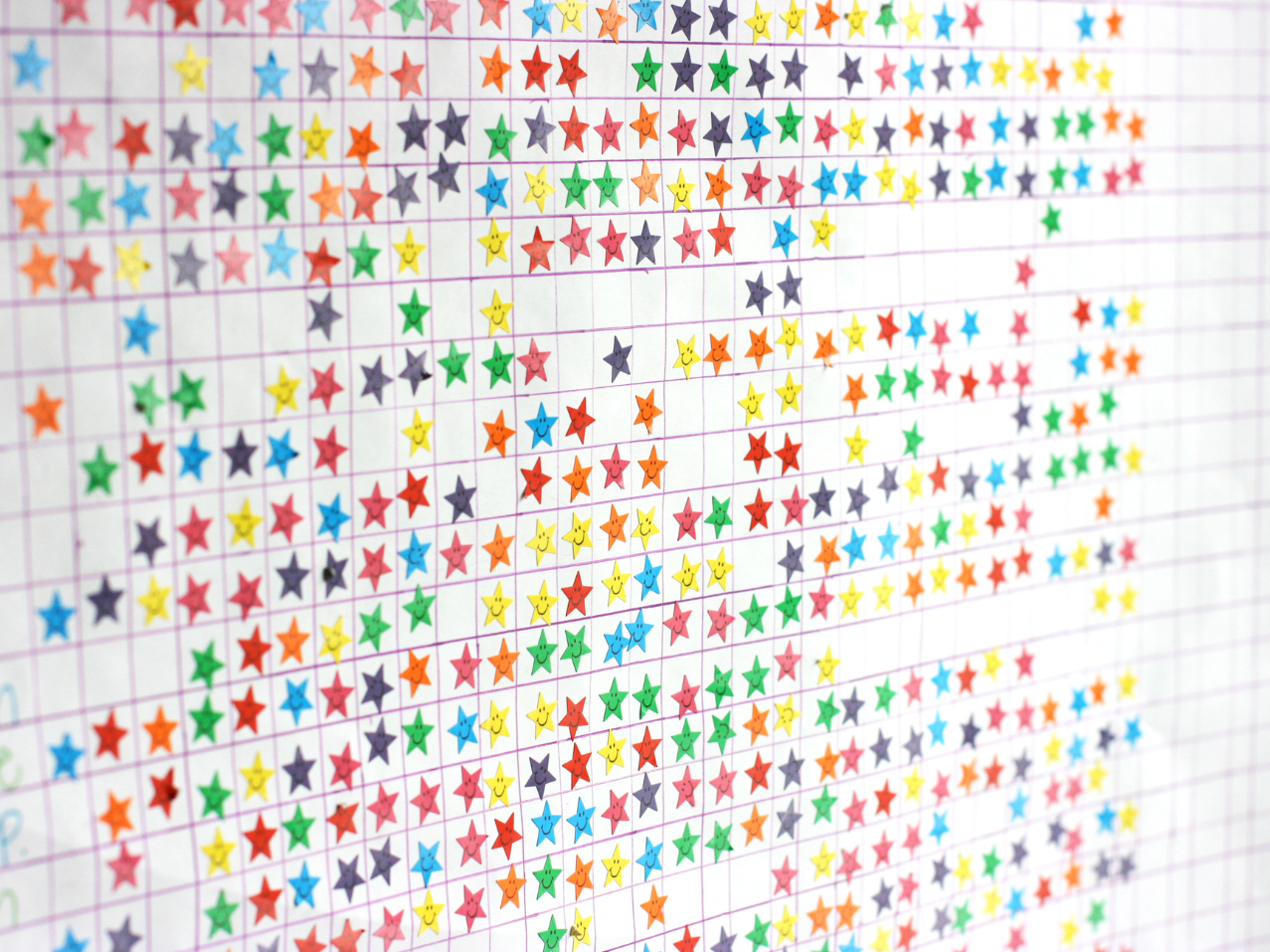

Reward charts and Montessori don’t usually go together.
Dr. Montessori was famous for her feelings towards external rewards and punishments for children.
She believed strongly in the power of helping children to develop “intrinsic motivation”:
Dr. Montessori was famous for her feelings towards external rewards and punishments for children.
She believed strongly in the power of helping children to develop “intrinsic motivation”:
“There is no punishment or reward in our schools to interfere with the joy in the work itself. The only reward is in the completion of the work - it is at this time that internal discipline establishes itself, and the foundations of character are laid.”
- Dr. Maria Montessori, Maria Montessori Speaks to Parents
“No one who has ever done anything really great or successful has ever done it simply because he was attracted by what we call a “reward” or by fear of what we call a “punishment”.... Every victory and every advance in human progress comes from an inner compulsion.”
- Dr. Maria Montessori, The Discovery of the Child
While Reward Charts aren’t used in Montessori classrooms, they can still be a helpful tool for some families.
When You Might Want to Try a Reward Chart
Reward charts can be especially helpful when working towards a goal.
They provide children with a concrete representation of their progress.
Instead of saying “you have to your chores for the next month and then you can get that new game", you can show them “you need 30 stickers on this chart” or “you need 30 starts in this jar.”

When reward charts can be helpful:
- Introducing a new routine, i.e. bedtime, morning routine
- Supporting a specific, concrete skill, i.e. brushing teeth
- Encouraging consistency with an already-learned behaviour, i.e. putting toys away
- Helping during transitions or big changes, i.e. starting child care, moving
It's strongly recommended that you try to help children meet these expectations WITHOUT a reward system first, using connection, modelling, and consistency.
Reward charts tend to be most useful as a short-term support when a child is finding a specific skill or routine genuinely difficult to learn.
Reward Charts Are Generally Discouraged Under 3 Years Old
Something important to keep in mind when introducing a reward chart is the age of the child.
Young children live in the moment, especially those under the age of 3, so working towards a goal can be meaningless for a toddler.
This doesn’t mean that young children don’t like developing skills or working towards a goal, it’s more that they aren’t aware that that’s what they’re doing.
And they love the process of learning more than the end result, so trying to rush them to the end of learning something new, doesn’t make sense to them because the learning is in the process.
The bottom line - if children are too young, it won't be effective.
Here are a few other things to consider:
Connect the rewards to something concrete, i.e brushing teeth, and avoid vague expectations, like “being good” or “listening better.”
Avoid using rewards to manage emotions, i.e. not crying or getting upset
Set achievable goals. This means, make sure they’re developmentally appropriate for your child. If your child rarely or never earns the reward, it can start to feel like they’re always getting it wrong. This can reduce motivation and confidence.
When too many daily expectations are connected to rewards, it can create stress and conflict between parent and child. Rewards can become a negotiation and power struggle.
Focus on one behaviour or change at a time. And if the child becomes overly focused on the reward (by this I mean, in an obsessive way), it may be time to try a new strategy.










![Kidamento Kidamento Children's Cameras [3 Models]](http://themontessoriroom.com/cdn/shop/products/kidamento-childrens-cameras-3-models-661353.png?v=1699075281&width=1600)
![Kidamento Kidamento Children's Cameras [3 Models]](http://themontessoriroom.com/cdn/shop/products/kidamento-childrens-cameras-3-models-661353_2000x.png?v=1699075281)

