
How Letters Are Introduced in the Montessori Classroom


Sensory materials in the early years are so IMPORTANT. These are materials where children use multiple senses to learn - rather than just visual, i.e. on a blackboard or worksheet.
Sensory learning materials make it much easier to:
1. Teach abstract concepts: Concepts like letters and numbers can be abstract concept for young children. Materials like the Sandpaper Letters or Cards and Counters provide a physical representation that they can hold and feel.
2. Improve Motor Development: Using materials like knobbed cylinders or metal insets refines hand-eye coordination and improves fine motor skills.
3. Develop Deep Concentration: Children learn best through active exploration. Engaging the hands requires physical coordination and careful attention, naturally increasing their span of focus.
This is why letters are initially taught using the sandpaper letters. They're a wonderful material that combines tactile, visual, and auditory learning.
What Are The Sandpaper Letters
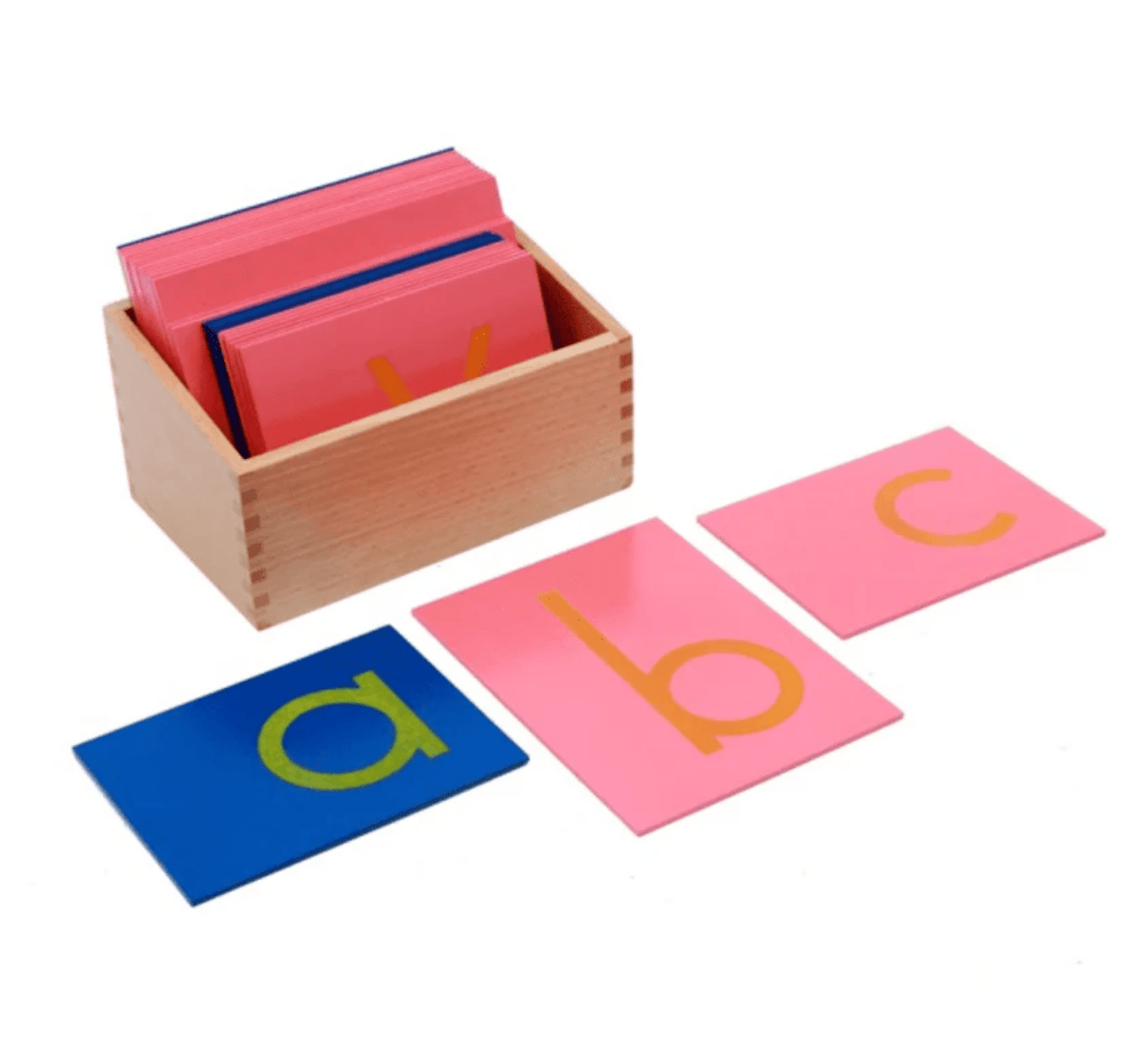
- They're made from letters that are cut out of fine-grit sandpaper and mounted on wooden boards.
- Vowels are often placed on one colour (commonly blue) and consonants on another (commonly pink), depending on the material set.
- The key feature is the sandpaper texture, which allows children to trace each letter with their fingers.
Benefits of The Sandpaper Letters
- They're designed to help children learn the shapes and sounds of the alphabet in a multi-sensory way.
- They help develop muscle memory for letter formation, which supports future writing.
- They support phonemic awareness - the ability to hear, identify, and manipulate the individual sounds (phonemes).
- They help children understand that spoken language can be represented by written symbols (letters).
How To Use The Sandpaper Letters
Montessori begins with lowercase letters because they are most commonly used in reading and writing.
They are introduced around 3-3.5 years of age, depending on a child’s readiness. Readiness is more important than age alone.
Signs of readiness may include:
- curiosity about letters and writing
- noticing print in the environment
- the ability to follow simple instructions - if a child can’t sit for the presentation and follow the instructions, then they aren’t ready yet
Step 1. Introduce the Letter: The teacher selects a sandpaper letter and places it on the table. The teacher then says the sound it represents (for example, "mm" for the letter M).
Note: In Montessori classrooms, letters are typically introduced according to a planned sequence, which varies depending on the school or training approach. We generally encourage starting with letters that are meaningful to your child, i.e. m for 'mom', the first letter of their name, etc.
Step 2. Trace the Letter: The teacher demonstrates how to trace the letter using the index and middle fingers of the dominant hand together.
As the letter is traced, the teacher repeats the sound it represents.
Step 3. Invite the Child to Trace: The child is then invited to trace the letter independently.
Once the child is familiar with a few letters, use the Three-Period Lesson (click here to read what the Three-Period Lesson is and why it's used in Montessori):
- First period: 'This is mm.'
- Second period: 'Can you find mm?'
- Third period: 'What is this?'
This method helps reinforce both the shape and the sound of the letter in a fun, engaging way.
We also have a YouTube video on Sandpaper letters you can watch :) Click here to view the video.
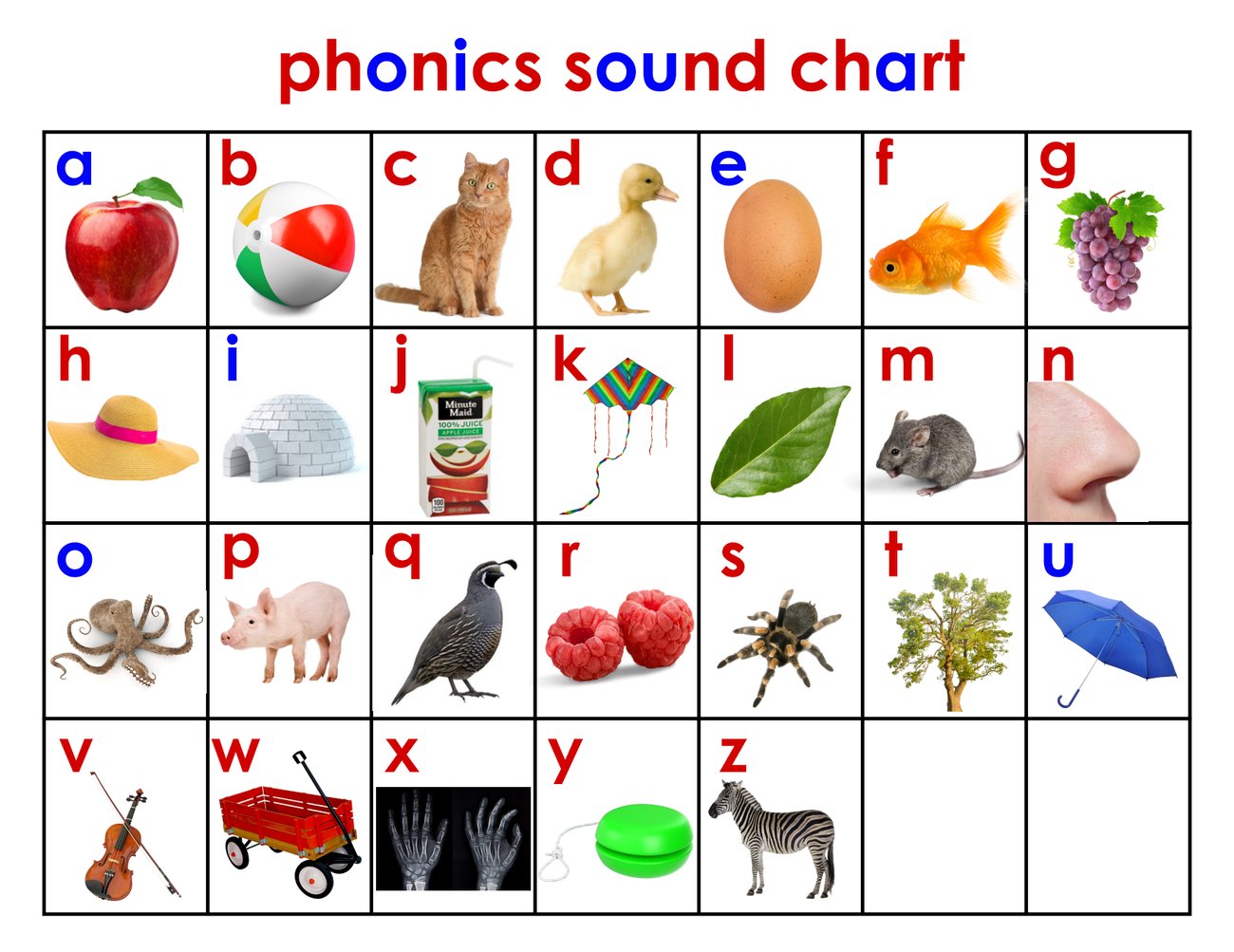
If you're wondering what the phonetic sounds of the letters are, here’s a phonics chart for reference. Click here to download the Phonics Chart.














![Kidamento Kidamento Children's Cameras [3 Models]](http://themontessoriroom.com/cdn/shop/products/kidamento-childrens-cameras-3-models-661353.png?v=1699075281&width=1600)
![Kidamento Kidamento Children's Cameras [3 Models]](http://themontessoriroom.com/cdn/shop/products/kidamento-childrens-cameras-3-models-661353_2000x.png?v=1699075281)

