One of the Best Ways to Develop A Child's Imagination...
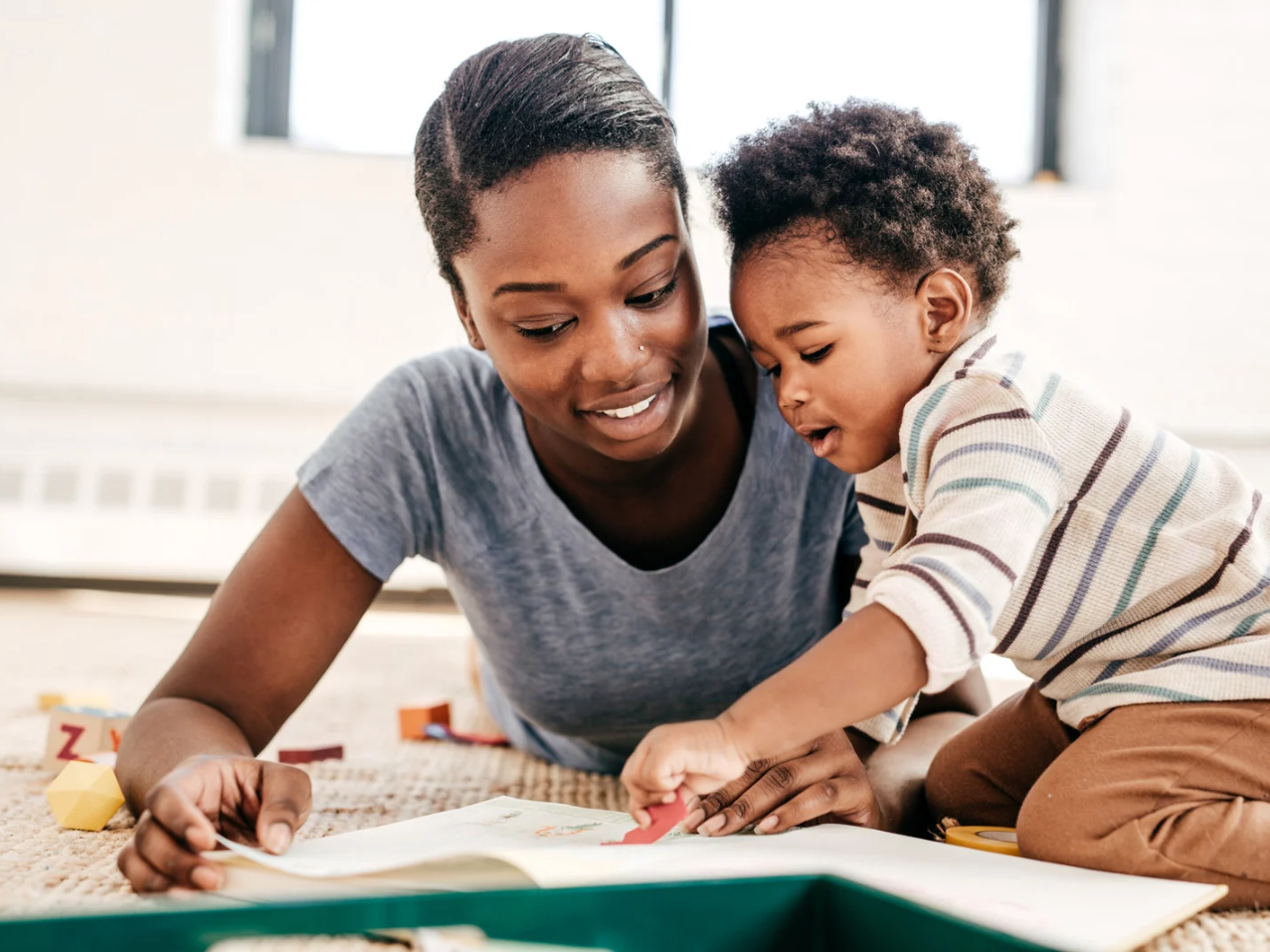

Writing and telling stories helps children develop their language skills and think creatively.
It also gives them a way to:
- Explore emotions
- Consider different perspectives
- Work through problems
- Express their ideas
But Doesn't My Child Know How To Read and Write First?
No!
Children don't need to be able to write independently to start creating stories.
You can write down their words as they tell you a story, take turns writing sentences or invite them to draw pictures and tell you what's happening.
This lets them focus on developing their ideas and storytelling skills while their writing skills continue to develop.
Once children begin writing on their own, remember that writing a story takes effort. Forming letters and writing sentences can be tiring for little hands, so don't expect them to finish a story in one sitting. They might work on it over several days, put it aside for a while and return to it when they're ready. Let them work at their own pace.
Five Simple Ways to Encourage Children to Tell Stories
- Make writing materials accessible and ready for use.
Keep paper and pencils somewhere your child can reach them independently. Make sure pencils are sharpened and paper is stocked.
Add a child-sized desk and chair so they have somewhere comfortable to sit and write. This makes it easier to get started when inspiration strikes. - Allow them to decide what to write about.
Children are more motivated to write when they're interested in the subject. Let them explore their own ideas, even if they don’t make sense to you. - Focus on their ideas, not perfection.
Avoid correcting every spelling or grammar mistake while your child is writing. This can lead to feeling discouraged. Give them space to express their ideas without worrying about getting everything right. - Show an interest in their stories.
Take the time to read your child's stories and ask questions about their ideas or characters. Showing genuine interest helps children feel that their writing is valued and encourages them to keep going. -
Read stories together.
Reading exposes children to different characters, settings and ways of telling a story. Talk about the stories you enjoy together and what makes them interesting.
Where To Start...

1. Story Journal: Set aside a notebook for imaginative stories, real-life experiences or ideas your child wants to explore. You can also download our FREE Journal Pages here.
2. Comic Strips: Encourage children to tell a story through pictures, captions and speech bubbles. You can download our FREE Comic Strip Templates here.
3. One-sentence story: Start with a sentence. Take turns adding a sentence to create a story together. Keep taking turns until you reach a natural ending. The story can be as silly or imaginative as you like.
For example:
"One day, I found a dragon in my backyard."
"It was hiding behind a tree."
"I could see its tail sticking out!"
"The tail was really really long."
"And had spikes on it!"
"I peeked behind the tree and the dragon was crying."
And so on….

4. Storytelling Jar: This activity uses three jars or bowls to help children come up with story ideas. Label one Characters, one Places and one Objects. We’ve created a printable with ideas you can use.
Cut along the dotted lines and place the slips of paper in the corresponding jars or bowls. You can also use our blank template to write your own ideas. Invite your child to pick one slip from each jar and create a story that includes all three.
5. Story starters: Offer a simple opening sentence, such as "Today, something unexpected happened at school…." Let your child decide what happens next and where the story goes.
Here are some other ideas:
- One day, I found a secret door in my house…
- If I could have any superpower, I would…
- The best birthday party ever would include…
- My pet did something that made everyone laugh…
- My family planned a surprise trip to…
As with most learning in early childhood, children benefit from seeing adults in their lives practicing the same skills.
Incorporate storytelling into your everyday life. Pretend you’re on an epic adventure next time you’re on a walk, treat the loaf of bread you need at the grocery store like it’s a buried treasure you’re on a mission to find, or simply share interesting events from your day.
And as a bonus? All that storytelling is helping your children become excellent listeners too!